

India’s sports story this week extends beyond match results. On 28 October 2026, the Union Cabinet approved the Khelo India Sports Goods Manufacturing Scheme, with an outlay of ₹1,856.67 crore through FY 2033–34. The decision targets the industry that makes sporting equipment, rather than announcing a new tournament or a direct payment to every athlete.
What the approval covers
The Cabinet announcement identifies investment, technology adoption, research, skills, quality certification and market development as areas of support. PIB’s accompanying backgrounder describes manufacturing zones intended to bring producers, suppliers, testing facilities and design centres together.
It lists ₹1,130 crore for combined anchor-investment and turnover-linked production support, and ₹105 crore for obtaining and renewing certification from international sports federations. Start-up support, Centres of Excellence and export promotion are also part of the stated approach.
Where the money is concentrated
The ₹1,130 crore combined manufacturing-support allocation represents approximately 60.9% of the total announced outlay. The ₹105 crore certification component is approximately 5.7%. These percentages are NewsKafe’s calculations from the published allocations; they describe planned funding, not money already disbursed.
| Published component | Allocation | Share of total, rounded |
|---|---|---|
| Anchor investment and turnover-linked production support combined | ₹1,130 crore | 60.9% |
| International federation certification support | ₹105 crore | 5.7% |
| Other components combined, calculated remainder | ₹621.67 crore | 33.5% |
The remainder is simply subtraction, not an additional named grant category. Rounded percentages may not total exactly 100%. A multi-year scheme outlay should also not be read as annual expenditure or an amount available to an individual business.
Why equipment quality belongs in the sports conversation
A sporting result is visible; the equipment supply chain behind training is less so. For an academy buying equipment repeatedly, the relevant questions are consistency, suitability for the intended use, durability and replacement availability. A lower purchase price alone cannot establish better value if equipment needs replacing more often.
NewsKafe’s assessment is that the scheme’s testing and certification emphasis deserves attention alongside its headline allocation. Buyers need evidence of product quality, and manufacturers need a way to demonstrate it. However, planned support for certification is not proof that any particular product already meets an international federation’s requirements.
Before purchasing equipment advertised as “approved”, ask which body approved the exact model, what the approval covers and whether it is current. A manufacturer’s participation in a government scheme would not, by itself, answer those questions.
What small manufacturers should check next
The backgrounder identifies Jalandhar and Meerut as established manufacturing clusters. For smaller suppliers elsewhere—including businesses considering opportunities in Telangana or Andhra Pradesh—the useful next step is to examine implementation rules, rather than assume that the Cabinet decision automatically creates an entitlement.
- Eligibility: look for the precise business, product and investment conditions applicable to each component.
- Location: verify announced zone locations before making a land or relocation decision. This article does not claim that a zone has been allocated to Hyderabad or any other unverified location.
- Funding mechanism: distinguish an investment incentive, turnover-linked support and reimbursement of an eligible expense. They can affect cash flow differently.
- Application route: rely on a designated official process and its published documents, not a third party’s promise of guaranteed approval.
Does this mean cheaper equipment or immediate jobs?
The approval does not establish either outcome for an individual reader. Retail prices depend on what is produced, its costs and how products reach customers. A manufacturing incentive is not the same as an announced discount on a cricket bat or football.
Likewise, employment creation is a stated policy objective, not a recruitment notification. Job seekers should look for named employers, defined roles, qualifications and application dates. This article is a sports-industry explainer and does not invite applications for government posts.
What would demonstrate progress?
The most useful follow-up evidence would include published operating guidelines, confirmed facilities, actual testing and certification activity, and documented production outcomes. For academies and athletes, a meaningful result would be suitable equipment with verifiable quality and dependable supply. Those outcomes should be assessed as evidence becomes available, rather than assumed from approval alone.
For the competition side of Indian sport, see our Asian Champions Trophy fixture guide and India–Bangladesh opening-match report. This story examines the industry behind participation rather than repeating those match updates.
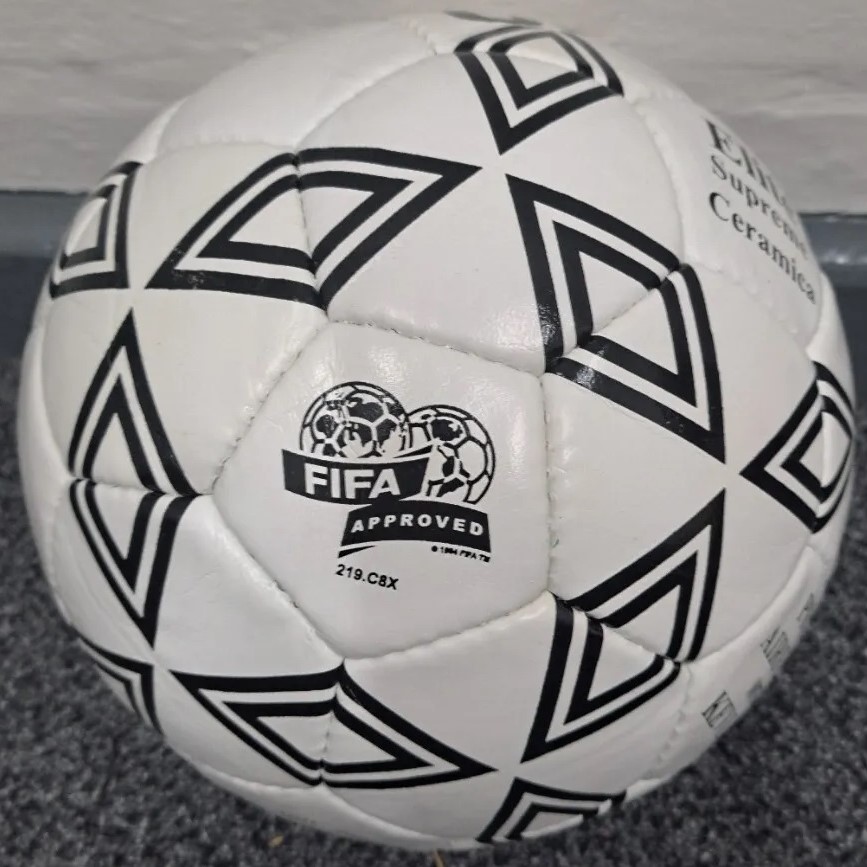
Reviewed 29 October 2026. Reporting basis: the Cabinet announcement published by PIB on 28 October and PIB’s same-day scheme backgrounder. Allocation percentages and reader guidance are NewsKafe’s analysis. We have not independently inspected manufacturing facilities or verified beneficiary disbursements. The featured football photograph is representative equipment, not a product endorsed by the scheme.

